Aerial Systems
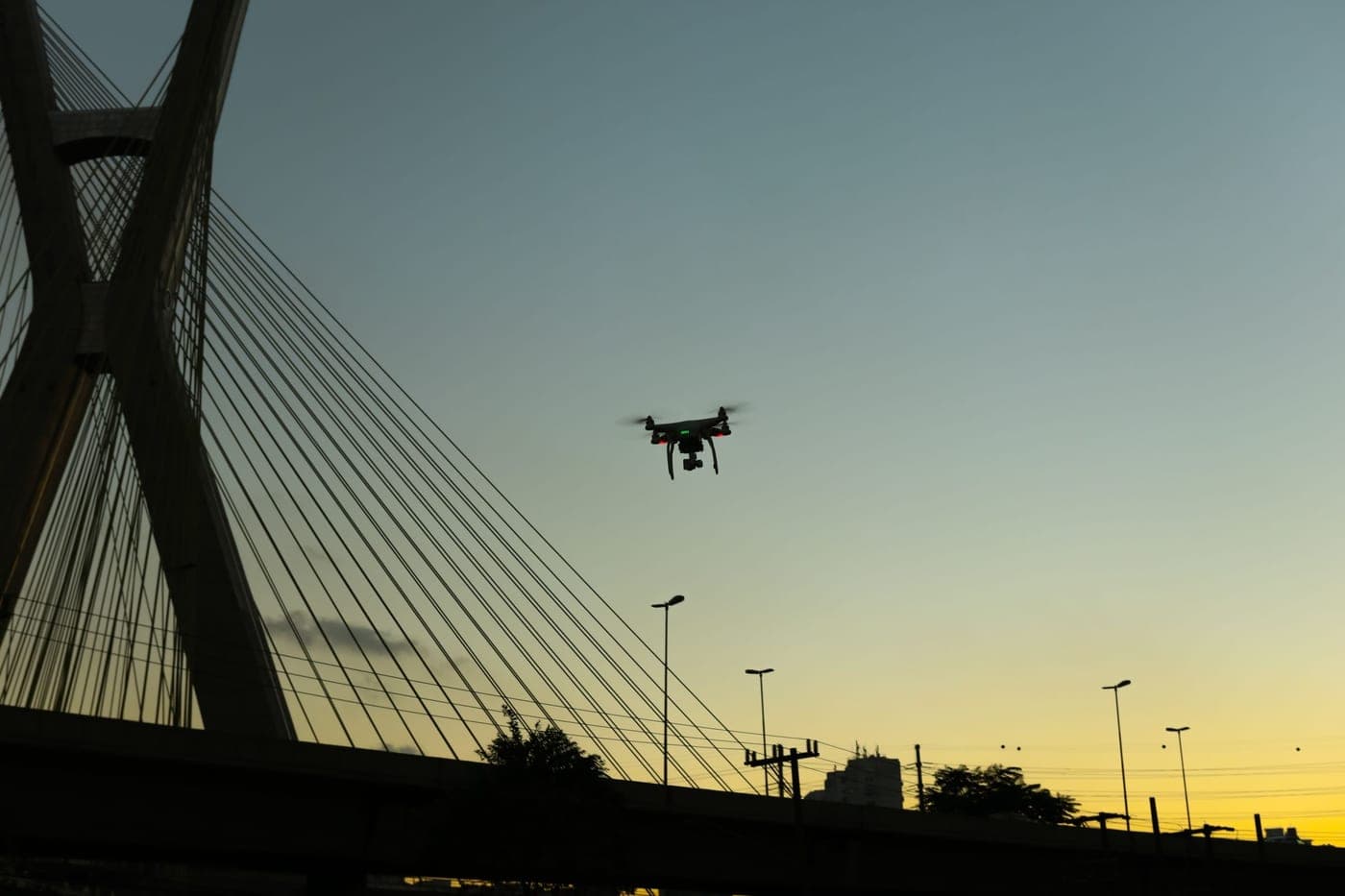
Uncrewed aircraft used for infrastructure inspection, surveillance, emergency response, mapping, environmental monitoring, and operations in hazardous or inaccessible locations.
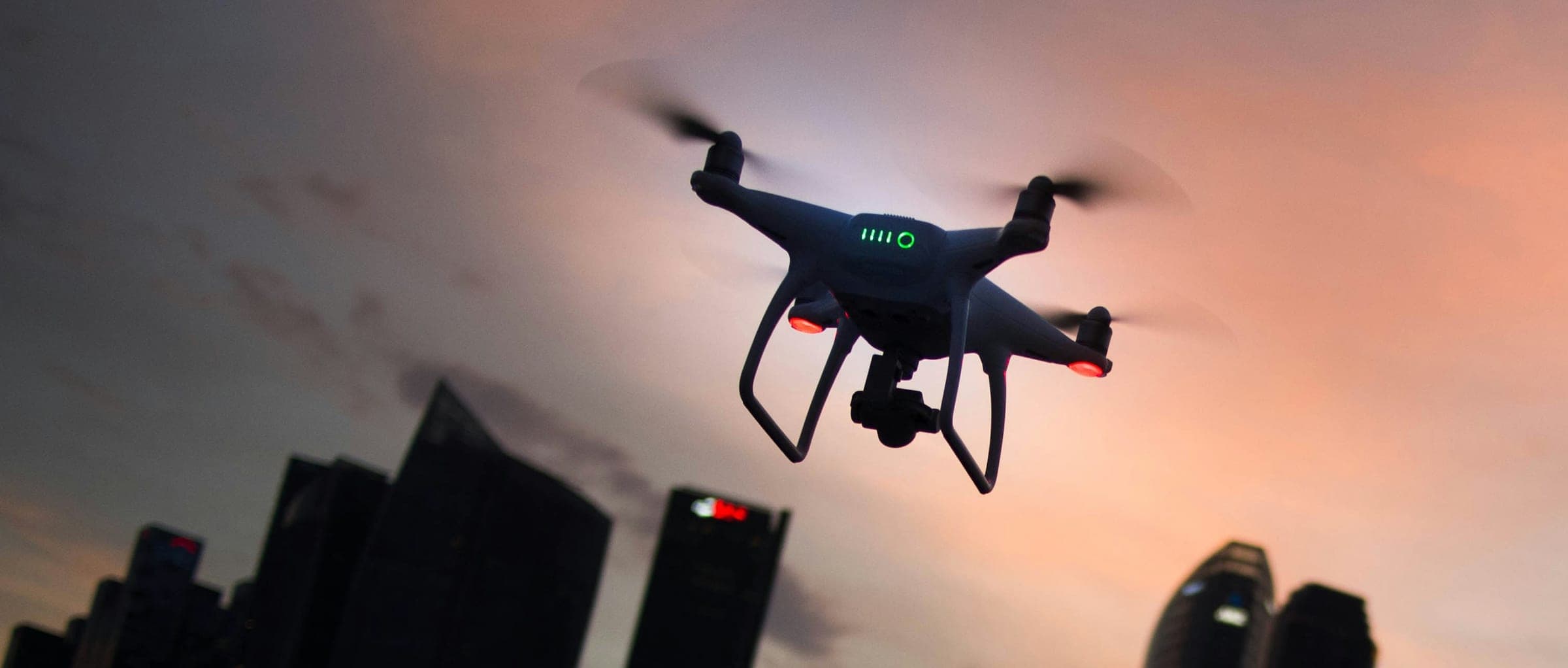
Dawon extends critical infrastructure cybersecurity to drones, robots, and autonomous systems operating across air, land, surface, and subsurface environments. By combining cybersecurity, operational technology, and robotics engineering, we protect the complete mission architecture, from the vehicle and its payloads to communications, command systems, operator stations, and supporting infrastructure.

A drone or robot is not an isolated device. It operates as part of an interconnected system comprising navigation sensors, autonomous software, command and control links, payloads, operator stations, fleet management platforms, docking infrastructure, and maintenance tools.
Compromise at any point can affect mission availability, command integrity, sensitive data, physical safety, or the wider operational environment. Security must therefore account for the complete system and the operational consequences of failure, not only individual components.
Integrity of commands, telemetry, and mission data
Availability of navigation and communication services
Protection against unauthorized control or configuration changes
Security of sensors, payloads, docking stations, and maintenance interfaces
Software, firmware, AI model, and supply chain assurance
Safe operation during communication loss or degraded conditions
OPERATOR STATIONS · MISSION PLANNING
Communication Link
↓ COMMANDS
↑ TELEMETRY · MISSION DATA
NAVIGATION SENSORS · AUTONOMOUS SOFTWARE
PAYLOADS · ONBOARD SYSTEMS
ASSET INTELLIGENCE · ACTIVE PROTECTION · THREAT DETECTION · RISK MANAGEMENT · INCIDENT RESPONSE · COMPLIANCE
The command and control link runs both ways, and the supporting systems sit inside the mission architecture and not beside it. The assurance layer covers all of it.
Dawon provides a unified security model for autonomous and remotely operated systems throughout their operational lifecycle.
Develop a contextual understanding of platforms, onboard systems, operator stations, network connections, software components, payloads, and supporting infrastructure. Map their relationships and operational dependencies across the mission environment.
Monitor communications, telemetry, device behaviour, and operational patterns to identify unauthorized commands, unexpected connections, abnormal system activity, and deviations from approved mission profiles.
Maintain continuous intelligence across the systems responsible for mission planning, command execution, navigation, telemetry, and data storage. Detect changes that could affect the confidentiality, integrity, or availability of mission operations.
Track firmware, software, configuration baselines, third party components, maintenance activity, and supplier dependencies across individual platforms and operational fleets.
Develop response procedures for compromised platforms, communication disruption, navigation anomalies, unauthorized access, and suspected supply chain events, while accounting for safety and mission continuity.
Dawon's security architecture can support autonomous and remotely operated systems across multiple operational domains.
SHARED MISSION DATA · COORDINATED TASKING
UNCREWED AIRCRAFT
MOBILE · INSPECTION ROBOTS
SURVEY · PORT SECURITY
ROVS · AUTONOMOUS UNDERWATER
A subsurface platform holds no radio link to the command environment. It works through the surface node above it, which is why that leg of the drawing is drawn differently.
Uncrewed aircraft used for infrastructure inspection, surveillance, emergency response, mapping, environmental monitoring, and operations in hazardous or inaccessible locations.
Autonomous mobile robots, inspection robots, robotic vehicles, and remotely operated platforms deployed across industrial facilities, mines, warehouses, energy sites, and restricted environments.
Uncrewed surface vessels, remotely operated vehicles, and autonomous underwater systems supporting inspection, monitoring, surveying, port security, and critical underwater infrastructure protection.
Multi platform operations in which aerial, ground, and maritime systems share mission data, coordinate activities, and operate through a common command environment.
Security requirements evolve as autonomous systems move from design and integration into operational service. Dawon supports continuous assurance across the system lifecycle:
This approach helps organizations assess architectures and dependencies before deployment, establish trusted configuration baselines, validate technology integrations, monitor operational behaviour, and preserve evidence throughout maintenance and upgrades.
 NIST Cybersecurity Framework 2.0NIST AI Risk Management Framework
 ISA/IEC 62443
 ISO 21384 3 for commercial UAS operationsISO 10218 for industrial robot safety
Unified asset intelligence across autonomous platforms and supporting infrastructure
Improved protection of command, telemetry, navigation, and mission data
Earlier detection of abnormal platform and fleet behaviour
Stronger control over software, firmware, maintenance, and supplier dependencies
Security decisions informed by safety and mission consequences
Consistent governance across air, land, surface, and subsurface systems
Improved readiness for incidents affecting autonomous operations
Speak with Team Dawon about securing drones, robotics, and autonomous systems within your critical infrastructure environment.
Take advantage of comprehensive incident readiness and response services. Our team provides end-to-end incident response, digital forensics, and legal support.