

Transportation Systems
Protect traffic management platforms, signaling systems, public transportation networks, variable message signs, connected roadside infrastructure, and supporting communications.

Modern cities depend on interconnected transportation, utilities, public safety, buildings, and digital services. Dawon provides unified operational intelligence and risk context across these environments, helping city authorities protect essential services while continuing to adopt connected technologies.
Smart city infrastructure brings IT and X-IOT systems together across multiple departments, operators, and suppliers. This improves service delivery, but it also creates dependencies through which an incident in one system can affect other city operations.
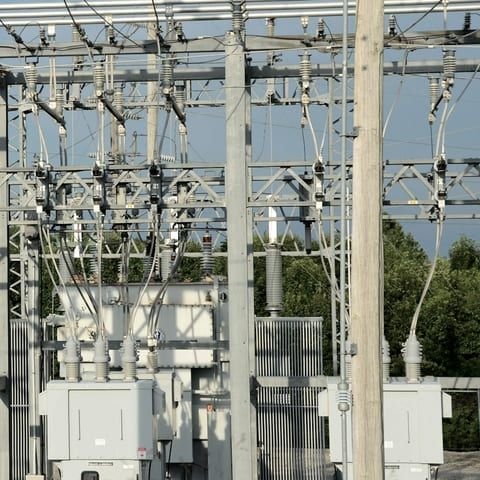 Electricity Distribution
 Public Buildings
 Water and Wastewater
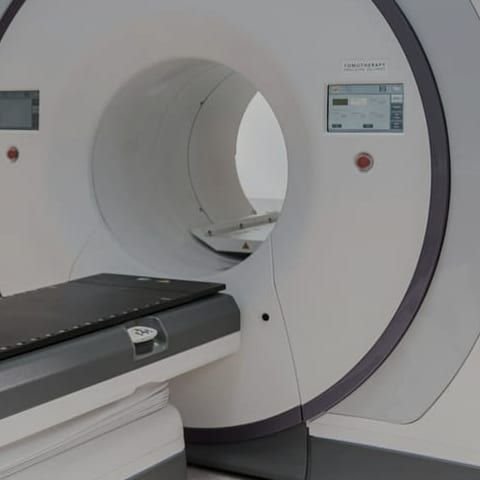 Healthcare
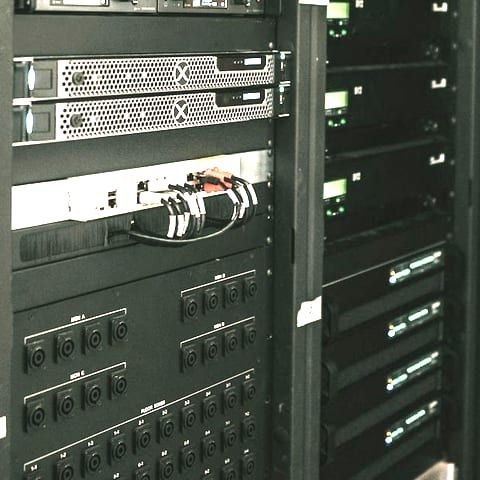 Digital Services
 Public Safety
 Road and Traffic
 Public Transport
CITY NETWORK · SHARED SITES · COMMON SUPPLIERS · CONNECTED DEVICES
Interconnected services create shared operational dependencies. Domains with no line between them are not independent, they are reached through a shared one.
Modern X-IOT devices operate alongside long lived traffic, utility, building, and public safety systems that were not originally designed for continuous connectivity.
City assets are spread across intersections, stations, public buildings, substations, pumping facilities, and other remote locations, making consistent monitoring difficult.
Municipal departments, contractors, technology providers, and maintenance teams may all require access to connected systems, creating complex ownership and accountability.
An incident affecting traffic systems, emergency communications, building controls, or utilities can create consequences across multiple public services.
Dawon brings asset, network, threat, access, risk, and compliance information together across distributed urban infrastructure.
Identify connected assets across departments, facilities, and operational domains. Maintain context for asset location, ownership, communications, and service dependencies.
Use deployment options suited to central facilities, remote sites, constrained networks, and isolated environments. Multiple sensor types extend intelligence across different segments of the city's infrastructure.
Identify abnormal communications, unauthorized devices, unexpected system changes, and suspicious activity across X-IOT and connected operational systems.
Understand remote access pathways, third party connections, and communication flows between city systems. Validate whether approved security boundaries are operating as intended.
Prioritize findings according to their potential impact on public safety and service continuity. Connect technical evidence with applicable regulatory requirements and city security policies.
UNIFIED INVENTORY · RISK · COMPLIANCE EVIDENCE




CENTRAL FACILITIES · REMOTE SITES · CONSTRAINED NETWORKS · ISOLATED ENVIRONMENTS
Protect traffic management platforms, signaling systems, public transportation networks, variable message signs, connected roadside infrastructure, and supporting communications.

Monitor emergency communication platforms, computer aided dispatch systems, public safety networks, and the power, cooling, and connected devices on which these services depend.

Secure building automation, HVAC, elevators, lighting, physical access controls, surveillance systems, and environmental sensors across public facilities.

Extend intelligence across water and wastewater facilities, electricity distribution, gas systems, pumping stations, connected controllers, and remote field assets.
Identify risks before they develop into disruptions affecting transportation, utilities, public facilities, or emergency services.
Provide security teams with operational context to understand how a cyber incident could affect citizens and essential city functions.
Maintain consistent intelligence and governance across geographically distributed systems without requiring an identical deployment at every location.
Introduce connected services, smart sensors, automation, and new communications infrastructure on a stronger cybersecurity foundation.
Maintain current evidence for relevant requirements such as NIST guidance, ISA/IEC 62443, NIS2, CISA Cybersecurity Performance Goals, and sector specific regulations where applicable.
 NIST guidance
 ISA/IEC 62443
 NIS2
NIS2 CISA Cybersecurity Performance Goals
Explore how Dawon can support connected transportation, utilities, public safety, and building systems through a unified security approach.

Take advantage of comprehensive incident readiness and response services. Our team provides end-to-end incident response, digital forensics, and legal support.