Cybersecurity for Essential Water Services
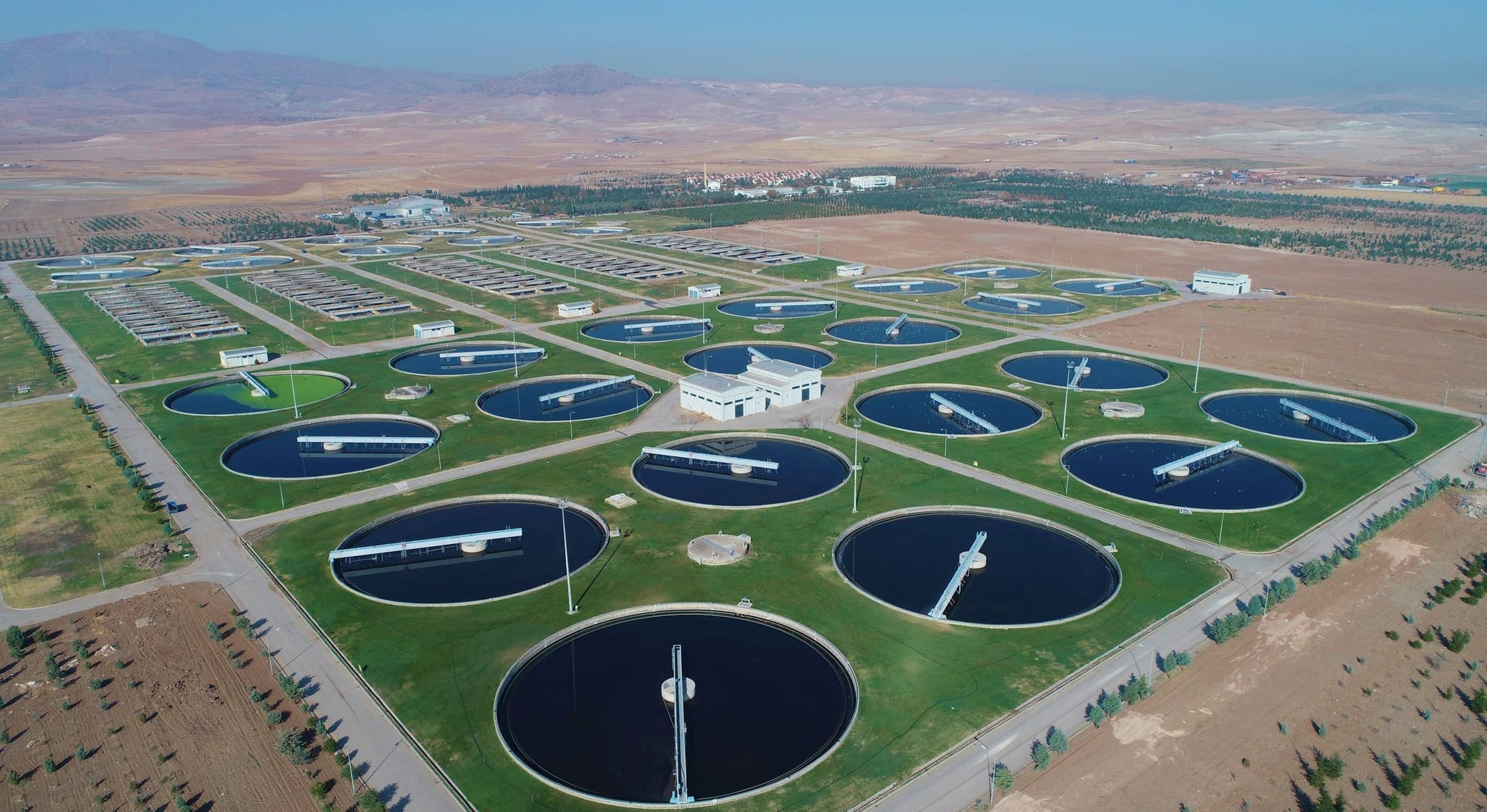
Dawon helps water utilities protect treatment processes, pumping infrastructure, distribution networks, and wastewater operations. It provides unified asset intelligence, threat detection, risk management, incident readiness and response across centralized facilities and remote operational assets.
Cyber Risk Can Affect Water Quality and Service Continuity
Water and wastewater utilities depend on operational technology to manage treatment, chemical dosing, pressure, flow, storage, and distribution. Many of these systems now connect with enterprise networks, remote sites, and third party services, increasing exposure across essential operations.
Distributed Operational Assets
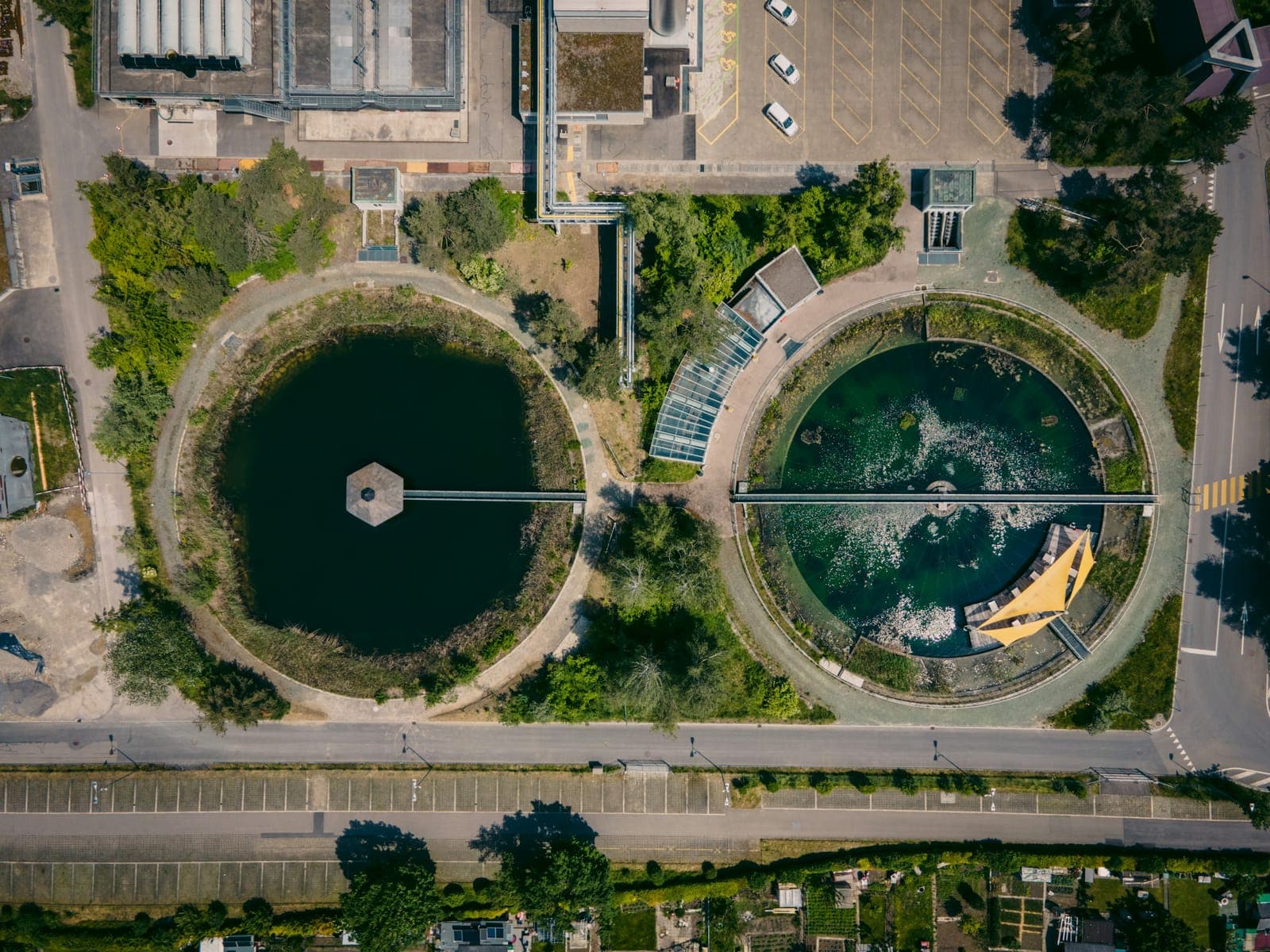
Treatment plants, reservoirs, pumping stations, storage tanks, and field devices are often spread across large service areas with varying levels of connectivity.
Long Lived Control Systems
Legacy PLCs, HMIs, SCADA systems, and field devices may have limited security capabilities and restricted opportunities for patching or replacement.
Remote and Third Party Access
Operators, contractors, equipment suppliers, and maintenance teams require remote access to distributed systems, creating pathways that must be continuously governed.
Limited Security Resources
Many utilities must manage cybersecurity alongside infrastructure renewal, regulatory obligations, and constrained technical resources.
Potential Public Impact
Unauthorized changes to treatment, chemical dosing, pressure, or flow controls can affect service availability, equipment integrity, and public confidence.
One Continuous Service, Six Operating Stages
Service Area
PUBLIC WATER SERVICE
Source
INTAKE · RAW WATER
Treatment
DOSING · FILTRATION
Storage
RESERVOIRS · TANKS
Distribution
PRESSURE · FLOW
Collection
LIFT STATIONS
Wastewater Treatment
AERATION · DISCHARGE
Cybersecurity must extend across every stage of the water service lifecycle.
Intelligence and Response Across Distributed Water Systems
Dawon connects asset, network, threat, access, risk, and compliance information across water and wastewater operations.
Asset and Network Intelligence
Identify PLCs, HMIs, SCADA servers, engineering workstations, pumps, sensors, controllers, and supporting systems across treatment plants and remote facilities.
Water Operations Threat Detection
Detect abnormal communications, unauthorized devices, suspicious engineering activity, and unexpected changes affecting treatment, pressure, flow, and chemical control systems.
Vulnerability and Exposure Management
Prioritize vulnerabilities according to the affected operational process, asset criticality, network exposure, and potential impact on service continuity or public safety.
Remote Access Oversight
Understand how operators, contractors, and equipment suppliers connect to operational systems. Identify unauthorized connections and maintain intelligence on the assets each pathway can reach.
Incident Readiness and Response
Prepare response procedures for scenarios affecting treatment, pumping, storage, and distribution. Maintain evidence to support investigation, recovery, and regulatory reporting.
Flexible Deployment
Support centralized, on premises, isolated, and distributed environments without requiring every location to use the same deployment architecture.
Protection from Source to Discharge
One Process, One Security Layer Beneath It
Water Source
INTAKE · RAW WATER
Treatment Plant
FILTRATION · DOSING · DISINFECTION
Pumping and Storage
PUMPING STATIONS · RESERVOIRS · TOWERS
Distribution
PRESSURE · FLOW · METERING · VALVES
Wastewater Collection
LIFT STATIONS · OVERFLOW CONTROLS
Treatment and Discharge
AERATION · SLUDGE · DISINFECTION
ASSET INTELLIGENCE · ACTIVE PROTECTION · THREAT DETECTION · RISK MANAGEMENT · INCIDENT RESPONSE · COMPLIANCE
Water Intake and Treatment
Monitor control systems supporting intake, filtration, chemical dosing, disinfection, and treatment processes.
Pumping and Storage
Maintain intelligence across pumping stations, reservoirs, water towers, storage tanks, and remotely operated equipment.
Distribution Networks
Protect pressure monitoring, flow control, metering, valve operations, and the communications supporting water delivery.
Wastewater Collection
Monitor lift stations, pumping infrastructure, collection networks, overflow controls, and remote field assets.
Wastewater Treatment
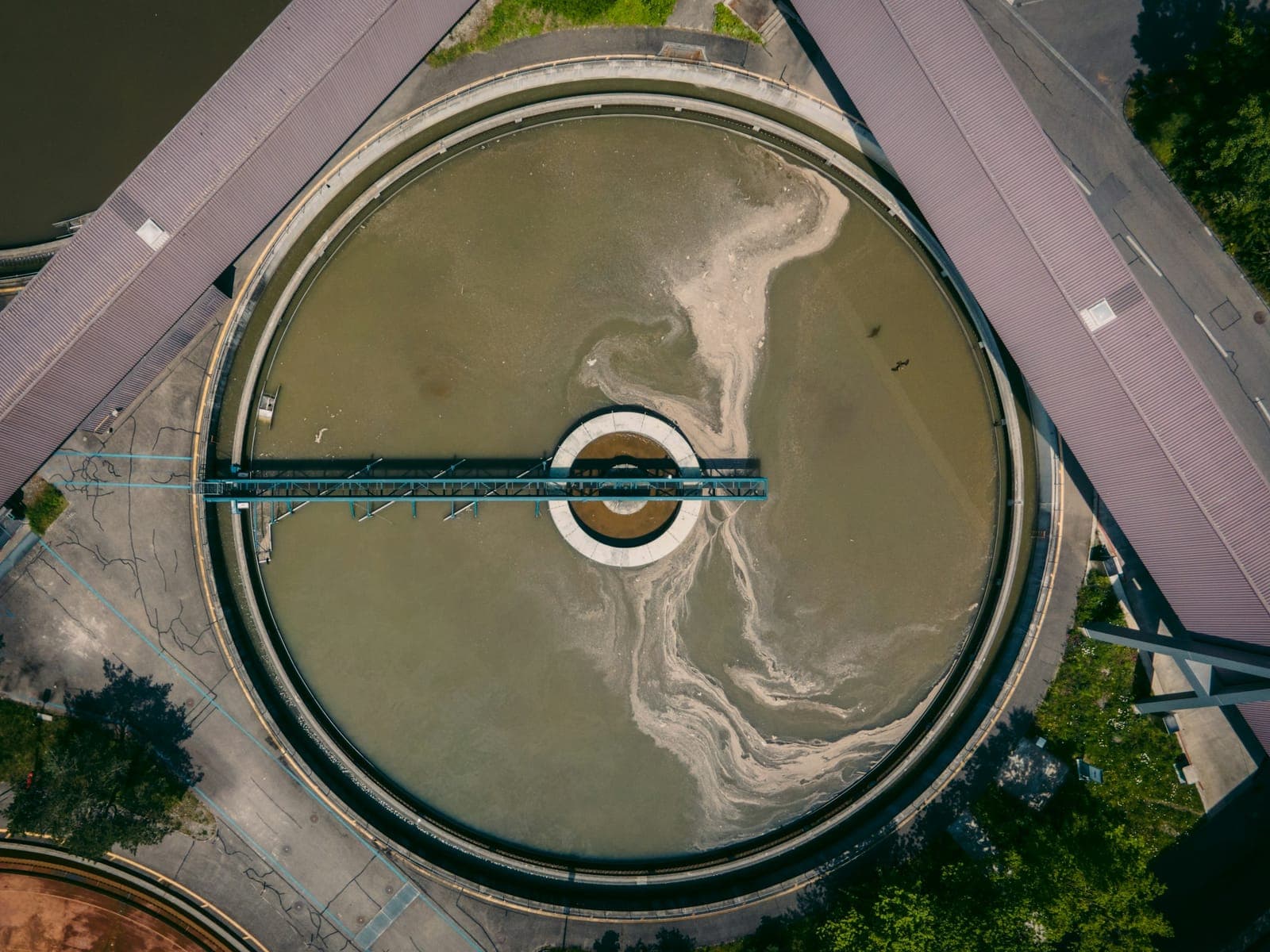
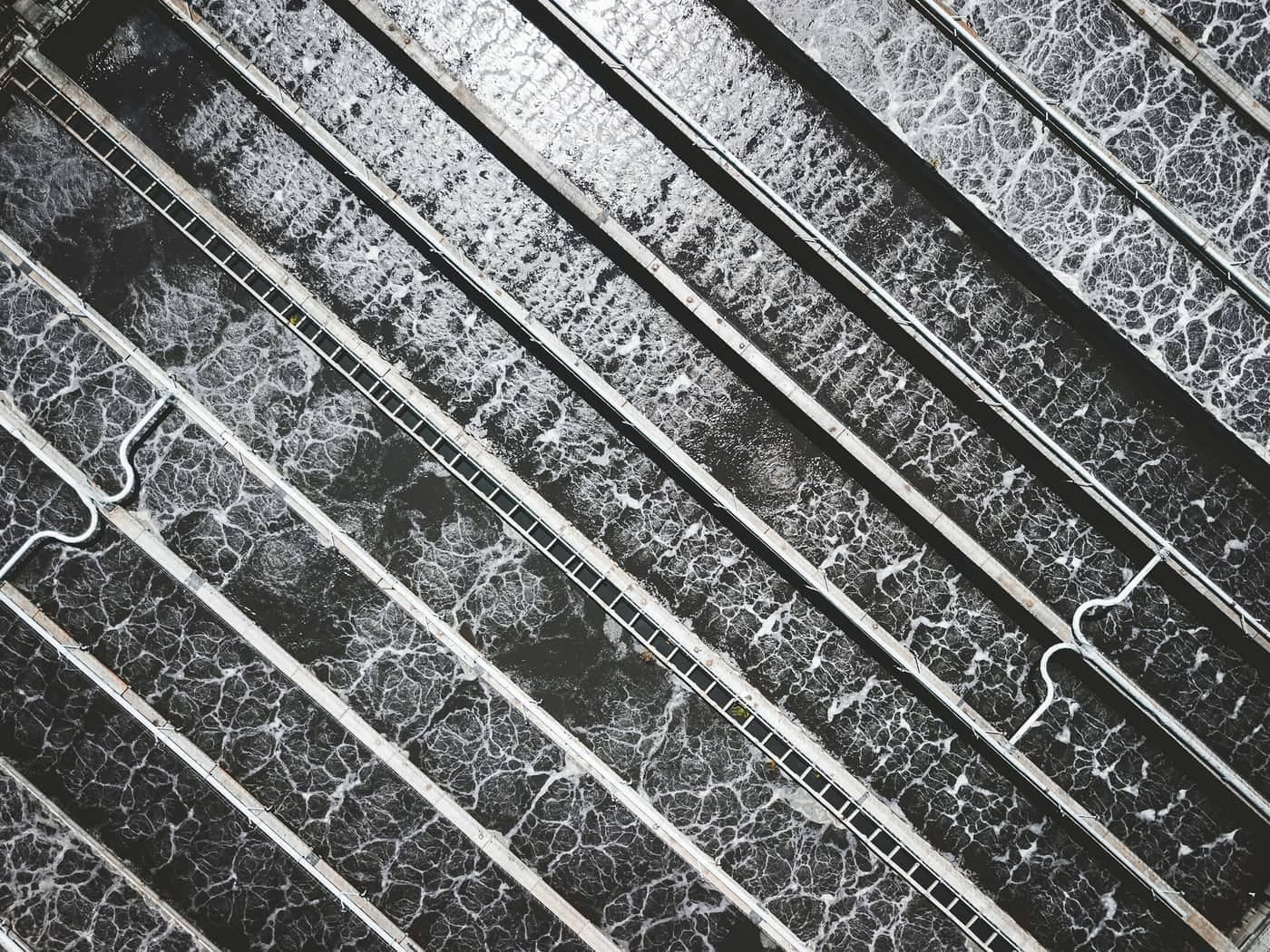
Protect systems supporting aeration, chemical treatment, sludge processing, disinfection, and discharge management.
Protect Public Health and Maintain Essential Services
Service Continuity
Identify threats and operational anomalies before they develop into disruptions affecting water supply or wastewater treatment.
Protection of Critical Processes
Maintain security oversight across treatment, chemical dosing, pressure, flow, pumping, storage, and discharge systems.
Improved Asset Management
Create a consistent view of operational assets across treatment plants, pumping stations, distribution networks, and remote locations.
Prioritized Remediation
Direct remediation resources toward the vulnerabilities and exposures with the greatest potential operational or public health impact.
Stronger Remote Access Governance
Understand and control how employees, contractors, OEMs, and service providers access operational systems.
Regulatory Readiness
Maintain current evidence for relevant requirements and guidance, including EPA and CISA recommendations, NIST CSF 2.0, NIST SP 800 82, ISA/IEC 62443, NIS2, and the Critical Entities Resilience Directive where applicable.
 EPA recommendations
 CISA recommendations
 NIST CSF 2.0
- NIST SP 800 82
 ISA/IEC 62443
 NIS2
NIS2- Critical Entities Resilience Directive
Discuss Your Water Cybersecurity Requirements
Explore how Dawon can support treatment facilities, pumping stations, distribution networks, and wastewater operations through a unified security approach.
Expert Support for X-IOT Security Incidents
Take advantage of comprehensive incident readiness and response services. Our team provides end-to-end incident response, digital forensics, and legal support.