
Connected Medical Devices
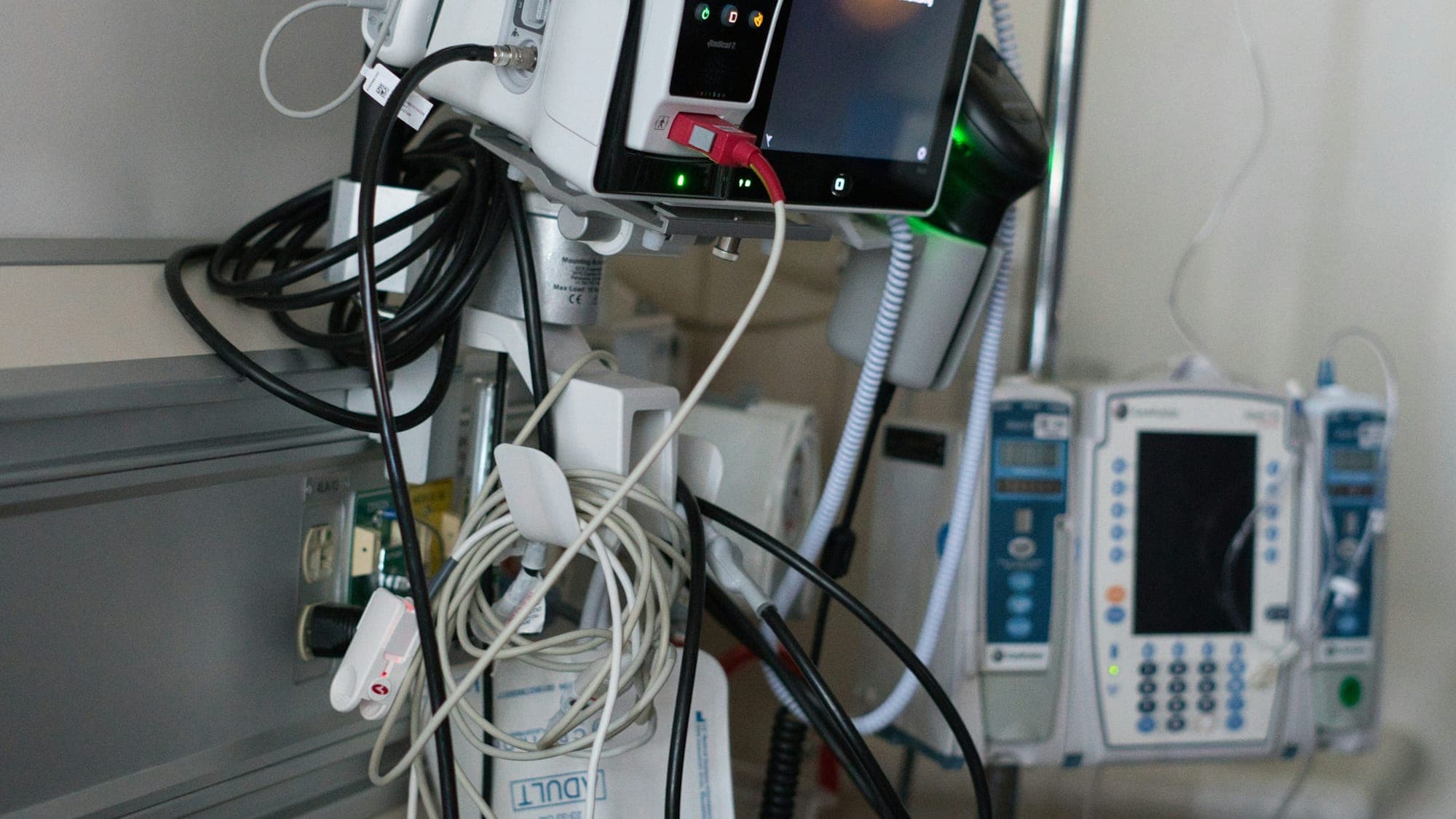
Protect infusion pumps, patient monitors, ventilators, clinical workstations, surgical systems, and other network connected equipment supporting diagnosis and treatment.
Healthcare delivery depends on an interconnected environment of medical devices, clinical systems, hospital infrastructure, and third party services. Dawon provides the operational intelligence, threat detection, compliance and risk management, and response capabilities required to protect these systems without disrupting patient care.
The importance of a device or system depends on the clinical service it supports, its role in patient care, and the consequences if it becomes unavailable or compromised. Hospitals must secure a diverse technology environment while maintaining continuous access to essential clinical services.
Medical devices, diagnostic platforms, clinical applications, facility systems, and external services exchange data across shared infrastructure, creating complex operational dependencies.
Many clinical devices remain in service for extended periods and may have restricted update options, proprietary software, or dependencies on OEM approved maintenance procedures.
Cybersecurity actions such as scanning, isolation, patching, or containment must be evaluated carefully to avoid interrupting treatment or affecting the safe operation of medical equipment.
Healthcare IT, clinical engineering, biomedical teams, facilities, security operations, and external vendors often manage different parts of the same connected environment.
Manufacturers, maintenance providers, laboratories, technology suppliers, and service partners may require access to critical systems, introducing additional identity, access, and supply chain risks.
Treatment and monitoring at the bedside
Imaging and results that decisions wait on
The electronic record and the order a clinician works from
Medication administration and laboratory turnaround
The conditions a ward has to hold
Maintenance and support from outside the hospital
WHAT EVERY SYSTEM SUPPORTS
IOMT · BEDSIDE
Treatment and monitoring at the bedside
IMAGING · PACS
Imaging and results that decisions wait on
EHR · CPOE
The electronic record and the order a clinician works from
eMAR · LIS
Medication administration and laboratory turnaround
BUILDING · POWER
The conditions a ward has to hold
OEM · REMOTE
Maintenance and support from outside the hospital
A domain matters here in proportion to the clinical service it carries, and the security layer does not stop at any one of them.
That understanding runs across medical devices, healthcare technology, and hospital infrastructure. It enables security teams to prioritize action according to patient care impact.
Develop contextual intelligence across connected medical devices, IoMT systems, clinical platforms, facility technology, and supporting infrastructure. Organize systems by department, clinical function, manufacturer, technology profile, and operational importance.
Map communications and dependencies between medical devices, diagnostic platforms, clinical applications, facility systems, and external services. Understand how the disruption of one system could affect wider care delivery.
Evaluate vulnerabilities and exposures against device function, clinical location, service criticality, compensating controls, and potential impact on patient care, not technical severity alone.
Identify abnormal communications, unauthorized devices, unexpected external connections, configuration changes, and activity that deviates from established clinical and operational patterns.
Assess communication paths between clinical, enterprise, facility, and third party environments. Support segmentation decisions without obstructing legitimate clinical workflows or approved device communications.
Develop response procedures for ransomware, compromised medical devices, unauthorized remote access, facility system disruption, and third party incidents. Response decisions remain informed by clinical dependencies and care continuity requirements.
MONITORS · VENTILATORS · PUMPS
IMAGING · PACS · RADIOLOGY
DISPENSING · ANALYSERS
HVAC · POWER · MEDICAL GAS
OEM · REMOTE SUPPORT
Protect infusion pumps, patient monitors, ventilators, clinical workstations, surgical systems, and other network connected equipment supporting diagnosis and treatment.
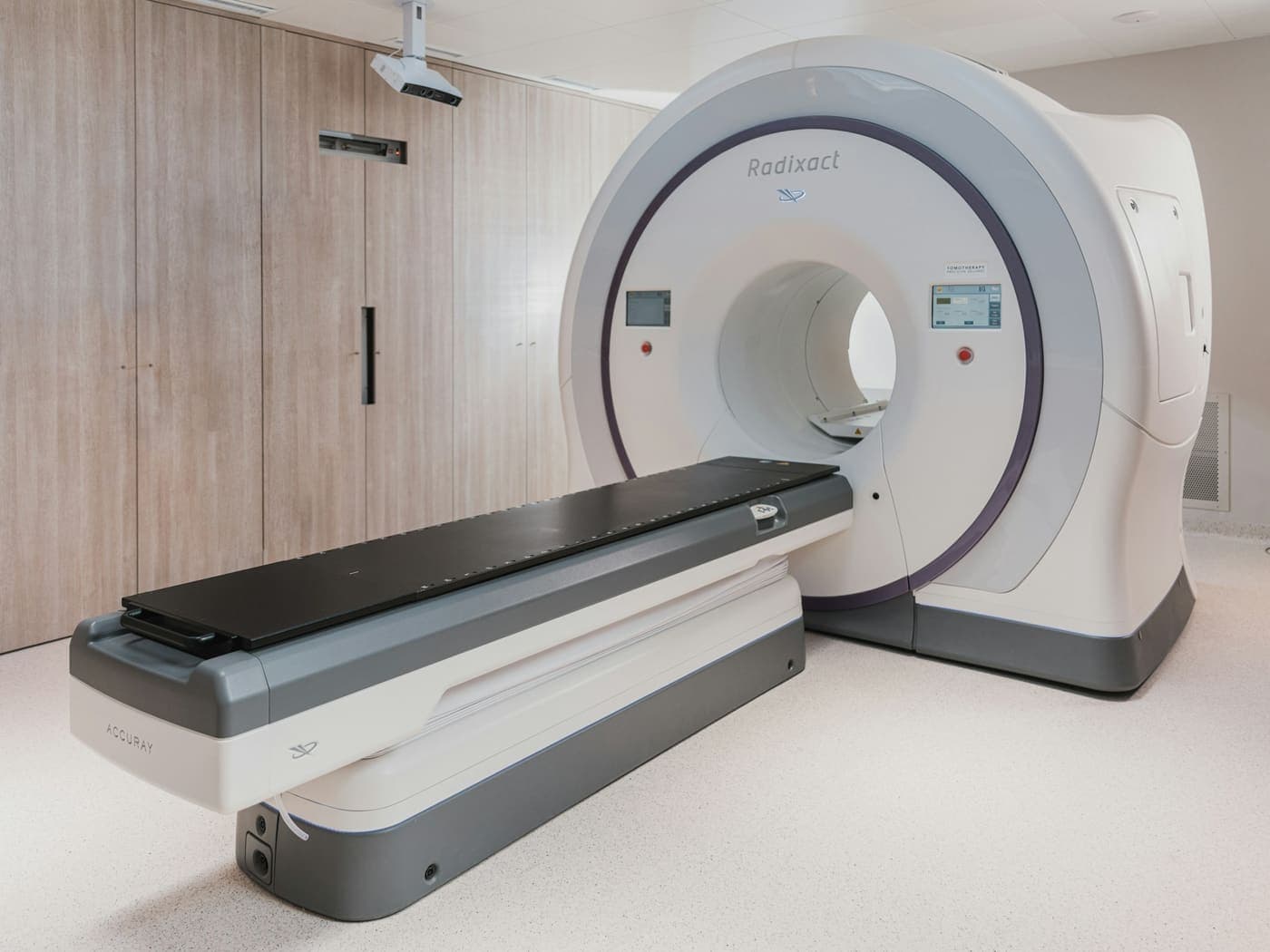
Monitor the systems and communication pathways supporting radiology, pathology, imaging equipment, PACS, laboratory platforms, and diagnostic workflows.

Establish security intelligence across medication dispensing systems, pharmacy automation, laboratory analyzers, sterilization systems, and other automated clinical support processes.

Secure building management systems, HVAC, electrical distribution, backup power, medical gas monitoring, elevators, access control, surveillance, and environmental systems that support safe hospital operations.

Provide consistent intelligence and governance across hospitals, clinics, laboratories, diagnostic centres, remote care environments, and other geographically distributed healthcare facilities.
Cybersecurity responsibilities continue from device evaluation and procurement through deployment, clinical use, maintenance, and retirement.
Device intelligence and approved configurations, tracked from the first evaluation to the last day on the network.
The clinical service the device supports, and what its loss would mean, carried at every stage.
Vendor dependencies and maintenance activity, with evidence preserved throughout.
Device intelligence and approved configurations, tracked from the first evaluation to the last day on the network.
The clinical service the device supports, and what its loss would mean, carried at every stage.
Vendor dependencies and maintenance activity, with evidence preserved throughout.
Dawon helps healthcare organizations maintain device intelligence, track approved configurations, assess vendor dependencies, monitor maintenance activity, and preserve evidence throughout the lifecycle. This supports closer coordination between healthcare delivery organizations, medical device manufacturers, clinical engineering teams, and service providers.
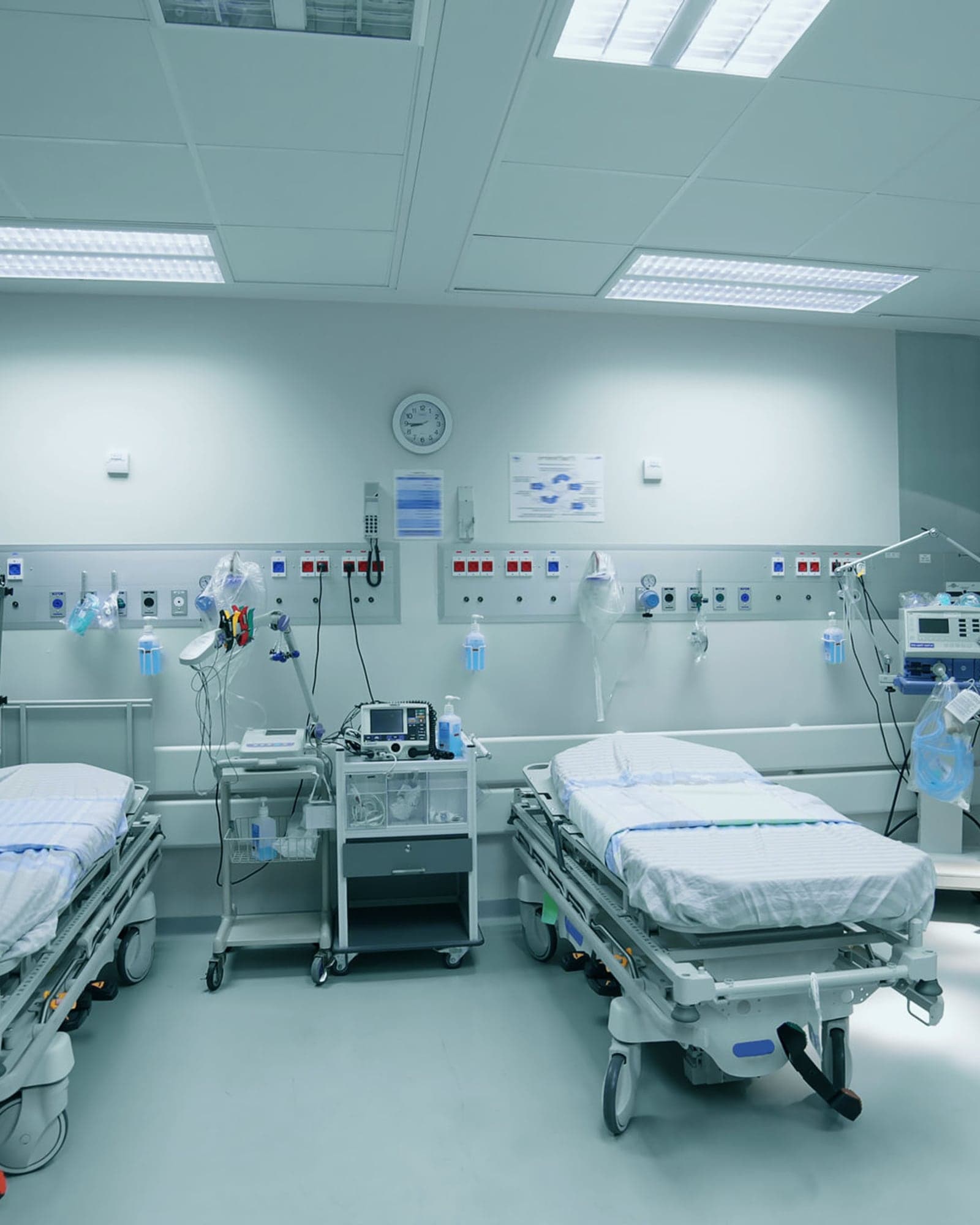
Improved continuity of patient care services
Contextual intelligence across medical devices, clinical systems, and hospital infrastructure
Risk prioritization based on clinical and operational consequences
Earlier identification of abnormal device and network behaviour
Safer coordination of remediation, containment, and recovery activities
Stronger governance of OEM, supplier, and remote service access
Better collaboration between security, IT, biomedical, clinical engineering, and facilities teams
Traceable evidence for internal assurance, audits, and regulatory requirements
 NIST Cybersecurity Framework 2.0
 HHS Healthcare and Public Health Cybersecurity Performance GoalsHIPAA Security Rule
 FDA medical device cybersecurity guidance
 IEC 80001 1IEC 81001 5 1ISA/IEC 62443
 NIS2 and applicable national healthcare regulations
Discuss how Dawon can protect connected medical devices, clinical operations, and hospital infrastructure while preserving patient safety and continuity of care.
Take advantage of comprehensive incident readiness and response services. Our team provides end-to-end incident response, digital forensics, and legal support.